Exercise Physiology
Mobile exercise physiology in Melbourne for strength, mobility and function
At a glance…
Exercise-based treatment
Structured exercise to improve strength, mobility and everyday function
For complex conditions
Suitable for disability, neurological, chronic health and mental health conditions
Real-world application
Delivered in your environment to improve movement in daily life
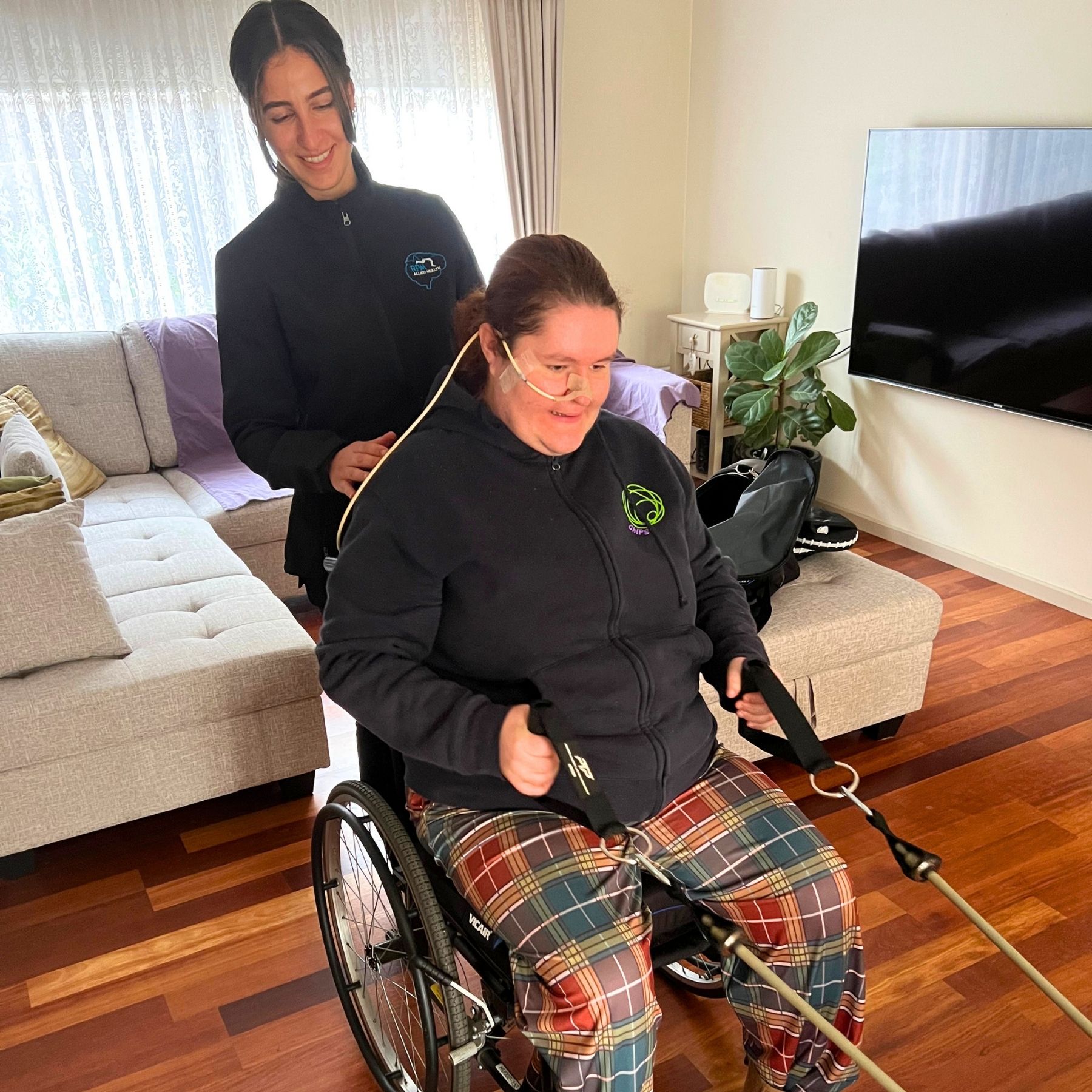
What is Exercise Physiology?
Strength training using bodyweight, resistance bands or light equipment
Balance and coordination exercises to improve stability and reduce falls risk
Functional training such as sit-to-stand, walking, stair use or reaching tasks
Cardiovascular exercise to improve endurance and overall fitness
Mobility and flexibility work to support joint movement
Start building strength and confidence in movement
Supporting people across the lifespan

Neurological conditions such as stroke, Parkinson’s disease, multiple sclerosis, cerebral palsy and acquired brain injury
Autism and intellectual disability, supporting coordination, regulation and participation
Musculoskeletal conditions including back pain, arthritis, joint injuries and post-surgical recovery
Mental health conditions, including anxiety, depression and psychosocial disability
Chronic health conditions such as diabetes, cardiovascular disease and obesity
Age-related decline, including reduced strength, balance and increased falls risk
What exercise physiology can support
Mobility and Functionality
Exercise programs are designed to improve mobility, flexibility and physical function, helping people move safely and complete daily activities with greater ease
Strength & Conditioning
Targeted exercises help build strength, improve muscle tone and increase endurance, supporting everyday tasks and reducing physical fatigue
Pain Management
Exercise can assist in managing pain by improving joint function, strengthening surrounding muscles and promoting better overall movement patterns
Cardiovascular Health
Structured cardiovascular exercise can improve heart and lung function, supporting overall health and physical capacity over time
Mental Health Support
Regular physical activity can support mood, reduce stress and improve confidence, contributing to overall mental wellbeing
Weight Management
Exercise physiology supports safe and sustainable approaches to maintaining a healthy weight, taking into account individual needs and limitations
Prevention of Secondary Conditions
Programs are designed to help prevent or manage secondary health conditions that may arise from reduced mobility or inactivity
Social Inclusion
Participating in structured exercise can encourage social interaction, increase confidence and support greater community engagement
What to expect
Timeframe
Programs progress gradually based on your goals and capacity
Location
Delivered at home or in your local community setting in Melbourne’s western suburbs
Process
Assessment, goal setting, tailored program and ongoing progression
First appointment
Initial assessment, discussion of goals and baseline movement testing
Services available through multiple funding options
NDIS
TAC
DVA
WorkCover
Aged Care
Private Insurance
Medicare
Private (self-funded)
Why choose RPM Allied Health
- Mobile service delivered in real-world environments
- Programs tailored to individual goals and support needs
- Experience working with disability, neurological and complex conditions
- Strong understanding of NDIS and compensable funding pathways
- Focus on building independence, not just completing exercises
Get started with exercise physiology
Learn more about how we support our clients
Mobile Physiotherapy
Meet the team
Meet our exercise physiologists and physiotherapists.
FAQs
Find answers to common questions about our services.